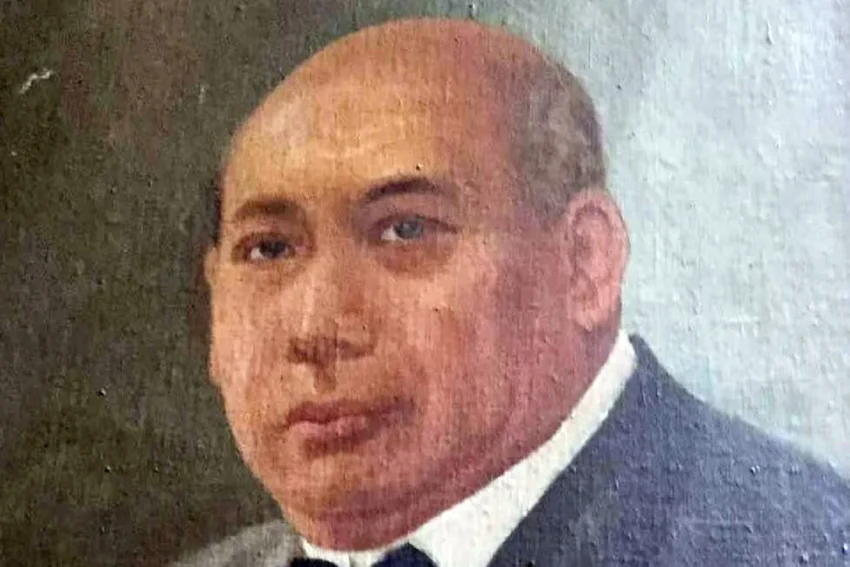
Severino Reyes is one of the most celebrated figures in the history of Philippine literature and theater.
Widely known as the “Father of Tagalog Plays” and the “Father of the Tagalog Zarzuela,” he was a prolific Filipino playwright, writer, and director who pioneered a distinctly Filipino theatrical tradition during the Spanish and American colonial periods.
Under his beloved pen name Lola Basyang, he authored some of the most enduringly popular Filipino folk stories, which have been cherished by generations of readers and viewers. His contributions to Philippine culture, language, and literature remain unmatched in scope and depth.
Profile Details
| Full Name | Severino Reyes y Rivera |
| Pen Name | Lola Basyang |
| Nickname | Don Binoy |
| Born | February 11, 1861 |
| Birthplace | Santa Cruz, Manila, Philippines |
| Nationality | Filipino |
| Occupation | Writer, Playwright, Director, Magazine Editor |
| Religion | Roman Catholic |
| Parents | Rufino Reyes (father), Andrea Rivera (mother) |
| Spouse | Paz Puato; Juanita Ángeles |
| Children | 17, including Pedrito |
| Died | September 15, 1942, Manila, Philippines |
| Notable Descendants | Efren Reyes Sr. (grandson), Efren Reyes Jr. (great-grandson) |
Early Life
Severino Reyes y Rivera was born on February 11, 1861, in the district of Santa Cruz, Manila, during the Spanish colonial period. He was one of the children of Rufino Reyes and Andrea Rivera. Growing up in Manila during the twilight of Spanish rule, Severino was immersed in a world where Spanish theatrical traditions, particularly the sarswela (zarzuela), were becoming embedded in Filipino cultural life.
As a young man, he witnessed performances at the Teatro Zorrilla, one of Manila’s foremost theaters, and experienced firsthand both the height of its popularity and its eventual decline. These theatrical memories planted in him an early and lasting passion for Philippine drama. He was multilingual from a young age fluent in both Tagalog and Spanish, and possessing working knowledge of Latin, Greek, Hebrew, and several Philippine regional languages, reflecting the breadth of his intellectual formation.
When his father died, Severino was compelled to leave his studies at the University of Santo Tomas before completing his degree. This personal tragedy became a turning point that redirected him fully into the world of writing and theater.
Education
Severino Reyes began his formal education at the prestigious Colegio de San Juan de Letran, where he earned a Bachelor of Arts degree through the Escuela de Segunda Enseñanza program. He subsequently enrolled at the University of Santo Tomas to pursue Philosophy but was unable to complete that program following the death of his father. Despite this, his time at these institutions gave him a rigorous classical education that included literature, rhetoric, and philosophy all of which would inform his later literary and theatrical works.
Career
Severino Reyes began his literary career by translating Spanish-language plays into Tagalog, making them accessible to ordinary Filipinos who had little understanding of Spanish. Over time, he moved beyond translation and began writing original works, developing a uniquely Filipino theatrical voice that blended Spanish dramatic forms with native cultural sensibilities.
He is credited with writing 26 zarzuelas and 22 dramas throughout his career a body of theatrical work unprecedented in Philippine literary history. His most celebrated dramatic work is Walang Sugat (“Not Wounded”), a zarzuela widely considered one of the greatest in the Philippine repertoire. It dramatized themes of the Philippine Revolution against Spanish colonialism, making it both an artistic and a patriotic landmark. Walang Sugat was composed in collaboration with Jose Estella and was featured in the controversial St. Louis World Exposition and the Panama Pacific International Exposition, bringing Filipino theatrical art to an international stage.
Among his other notable zarzuelas are Minda Mora, Mga Bihag ni Cupido (“Cupid’s Prisoners”), Ang Bagong Fausto (“The New Faustus”), Ang Tunay na Hukom (“The True Judge”), Ang Tatlong Bituin (“The Three Stars”), Margaritang Mananahi (“Margarita the Seamstress”), Ang Halik ng Isang Patay (“Kiss of One Already Dead”), and Luha ng Kagalakan (“Tears of Joy”).
In 1922, Reyes co-founded Liwayway, a groundbreaking Tagalog-language magazine that featured serialized novels, short stories, poetry, comic strips, essays, and cultural commentary. It became one of the most widely read publications in the Philippines and a cornerstone of Filipino popular literary culture.
Beginning in 1925, Reyes began publishing his most beloved literary work in Liwayway under his pen name Lola Basyang: a series of short stories collectively known as Mga Kuwento ni Lola Basyang (“The Stories of Grandmother Basyang”). The stories were told by the fictional character Lola Basyang an elderly woman who narrated moral fables to her grandchildren and were inspired by Gervacia Guzman de Zamora, a neighbor of Reyes who was the matriarch of the Zamora family of Quiapo, Manila. These stories became the magazine’s most widely read feature, beloved for their warmth, moral depth, and imaginative fantasy involving sultans, enchanted beings, magical violins, and dwarfs.
The impact of Mga Kuwento ni Lola Basyang was enormous and enduring: the stories were adapted into komiks in 1949, into blockbuster films in the 1950s (by Sampaguita Pictures) and the 1980s (by Regal Films), and into animated television productions in later decades. In 2022, Google Doodle celebrated the 161st birthday of Severino Reyes, cementing his place in global digital cultural memory.
Personal Life
Severino Reyes was married twice first to Paz Puato and later to Juanita Ángeles. He fathered 17 children, including a son named Pedrito. He was a deeply family-oriented man whose stories reflected his love of intergenerational connection and the oral storytelling traditions of Filipino grandmothers. His grandson was the celebrated Filipino film actor Efren Reyes Sr., and his great-grandson is Efren Reyes Jr., one of the most acclaimed professional billiards players in history.
Reyes was known by the affectionate nickname “Don Binoy,” a term of respect that reflected his standing in Manila’s cultural and literary circles. He was regarded as a gentleman of letters erudite, genteel, and passionately devoted to the Tagalog language and Filipino identity.
Severino Reyes passed away on September 15, 1942, in Manila, at the age of 81, during the Japanese occupation of the Philippines. He was interred at the Parish of the Immaculate Heart of Mary Columbarium in Antipolo, Rizal.
Legacy
Severino Reyes is honored as a pioneer of Philippine literature and theater. His titles “Father of Tagalog Plays” and “Father of the Tagalog Zarzuela” speak to the foundational nature of his contributions. By insisting on writing in Tagalog at a time when Spanish and English dominated the colonial literary scene, he helped elevate the Tagalog language to an instrument of artistic and national expression. His Mga Kuwento ni Lola Basyang remains a treasured part of Filipino childhood and cultural identity, passed down across generations.
Notable Works
Walang Sugat (zarzuela, 1898) Minda Mora Mga Bihag ni Cupido Ang Bagong Fausto Ang Tunay na Hukom Ang Tatlong Bituin Margaritang Mananahi Ang Halik ng Isang Patay Luha ng Kagalakan Filipinas para los Filipinos (1905, with Jose Estella) Opera Ytaliana (1908) Mga Kuwento ni Lola Basyang (serialized anthology, 1925, Liwayway magazine)
FAQs
Q: Who is Severino Reyes?
A: Severino Reyes is a Filipino playwright, writer, and theater director widely known as the “Father of Tagalog Plays” and the creator of the beloved folk stories published under the pen name Lola Basyang.
Q: What is Severino Reyes’ pen name?
A: He wrote under the pen name Lola Basyang, a fictional elderly storyteller character.
Q: What is Severino Reyes most famous for?
A: He is most famous for Mga Kuwento ni Lola Basyang, a celebrated anthology of Filipino folk stories, and for the revolutionary zarzuela Walang Sugat.
Q: What magazine did Severino Reyes co-found?
A: He co-founded Liwayway magazine in 1922, which became one of the Philippines’ most widely read Tagalog publications.
Q: When did Severino Reyes die?
A: He died on September 15, 1942, in Manila, at the age of 81.
Conclusion
Severino Reyes Don Binoy, Lola Basyang stands as one of the most transformative figures in Philippine cultural history. At a time when the Philippines was caught between colonial languages and foreign theatrical traditions, he championed the Tagalog language and the Filipino voice. Through his zarzuelas, dramas, and beloved folk stories, he gave Filipinos a mirror in which to see their own culture, values, and imagination reflected with beauty and pride. Nearly a century after his death, Lola Basyang’s stories continue to enchant Filipino children and adults alike a testament to the timeless genius of Severino Reyes.