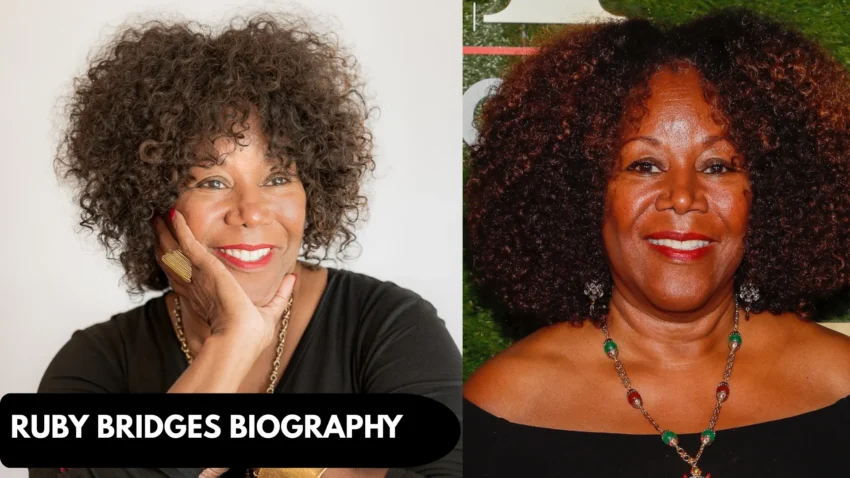
The story of Ruby Bridges is one of courage, resilience, and groundbreaking change. At only six years old, she became a symbol of the American civil rights movement when she integrated an all-white elementary school in the southern United States.
Her bravery in the face of hostility helped reshape American education and paved the way for racial equality in schools. Today, Ruby Bridges is remembered not only for her role in history but also for her continued work promoting tolerance and equality through education.
Quick Facts
| Full Name | Ruby Nell Bridges |
| Born | September 8, 1954 |
| Age | 71 years (as of 2026) |
| Birthplace | Tylertown, Mississippi, United States |
| Nationality | American |
| Occupation | Civil Rights Activist, Author, Speaker |
| Parents | Abon Bridges, Lucille Bridges |
| Spouse | Malcolm Hall |
| Children | 4 |
Early Life
Ruby Nell Bridges was born on September 8, 1954, in Tylertown. She grew up during a time when racial segregation was deeply rooted in American society, especially in the southern states.
Her parents, Abon Bridges and Lucille Bridges, were hardworking individuals who believed strongly in education and equal opportunities for their children.
When Ruby was four years old, her family moved to New Orleans in search of better job opportunities. At the time, schools in Louisiana were still segregated, meaning Black and white children were required to attend separate schools.
However, a major historical event soon changed the course of Ruby’s life.
The Historic School Integration
In 1954, the U.S. Supreme Court delivered a landmark ruling in the case of Brown v. Board of Education. The court declared that racial segregation in public schools was unconstitutional.
Despite the ruling, many southern states resisted integrating schools.
In 1960, Ruby Bridges was selected to participate in a program designed to integrate the school system in New Orleans. After passing a difficult academic test, she became the first African American child to attend an all-white elementary school in the South.
On November 14, 1960, Ruby walked into William Frantz Elementary School escorted by federal marshals.
Her first day became one of the most iconic moments in American civil rights history.
Facing Racism and Hostility
Ruby Bridges’ journey to school was not easy.
Angry crowds gathered outside the school shouting insults and threats. Protesters held signs and refused to let their children attend school with a Black student.
For months:
- Parents removed their children from the school.
- Ruby was taught alone in the classroom.
- She was escorted by U.S. federal marshals every day.
Her teacher, Barbara Henry, was the only teacher willing to teach her.
Despite the intense hostility, Ruby remained strong and continued attending school every day.
Her courage amazed many Americans and attracted national attention.
Ruby Bridges and Norman Rockwell’s Famous Painting
Ruby Bridges’ historic walk to school inspired one of the most famous paintings in American art.
In 1964, artist Norman Rockwell created the iconic painting titled The Problem We All Live With.
The painting depicts Ruby walking to school surrounded by federal marshals while racist graffiti stains the wall behind her.
The artwork became a powerful visual symbol of the civil rights struggle in America.
Life After School Integration
Despite the intense media attention, Ruby Bridges eventually completed her education.
She later attended a desegregated high school in New Orleans and went on to live a relatively private life.
As an adult, Ruby worked as a travel agent before becoming actively involved in civil rights education and advocacy.
Her experiences as a child inspired her to dedicate her life to promoting equality and teaching young people about the importance of tolerance.
The Ruby Bridges Foundation
In 1999, Ruby established the Ruby Bridges Foundation.
The foundation focuses on:
- Promoting tolerance and respect among children
- Educating students about civil rights history
- Encouraging dialogue about racism and discrimination
Through the foundation, Ruby travels across the United States speaking to students and educators about her experiences.
Ruby Bridges as an Author
Ruby Bridges also became a successful author, sharing her story through books aimed at young readers.
Some of her most popular books include:
-
Through My Eyes
-
I Am Ruby Bridges
-
Ruby Bridges Goes to School
These books help children understand the history of segregation and the importance of standing up for justice.
Ruby Bridges’ Legacy in the Civil Rights Movement
Ruby Bridges became a symbol of the broader American civil rights movement led by figures like:
- Martin Luther King Jr.
- Rosa Parks
Her courage as a child demonstrated the importance of equal education and helped accelerate desegregation in American schools.
Her story continues to inspire millions around the world.
Honors and Recognition
Over the years, Ruby Bridges has received numerous awards and honors for her contributions to civil rights.
Some of the most notable recognitions include:
- Presidential Citizens Medal
- Honorary university degrees
- Public schools named after her
- National speaking engagements
In 2011, she met with Barack Obama at the White House, where the famous painting of her by Norman Rockwell was displayed.
The moment symbolized how far America had come since her historic walk to school.
Why Ruby Bridges’ Story Still Matters Today
Ruby Bridges’ story remains relevant today because issues of racism and inequality still exist in many parts of the world.
Her bravery teaches valuable lessons about:
- Courage in the face of injustice
- The importance of education
- Standing up for equality
- The power of young people to create change
Her life reminds us that even a child can change the course of history.
Frequently Asked Questions (FAQs)
Who is Ruby Bridges?
Ruby Bridges is an American civil rights activist who became the first African American child to integrate an all-white elementary school in the American South.
When was Ruby Bridges born?
Ruby Bridges was born on September 8, 1954.
Why is Ruby Bridges famous?
She is famous for integrating a white elementary school in New Orleans in 1960, helping advance the civil rights movement in the United States.
What school did Ruby Bridges attend?
Ruby Bridges attended William Frantz Elementary School in New Orleans.
What did Ruby Bridges do later in life?
She became a civil rights activist, author, and founder of the Ruby Bridges Foundation.
Conclusion
The biography of Ruby Bridges is a powerful reminder that courage knows no age. At just six years old, she helped break the barriers of segregation and opened doors for future generations of students.
Her journey from a small girl facing angry crowds to a respected civil rights icon highlights the power of determination, education, and equality.
Today, Ruby Bridges continues to inspire people across the world to stand up against injustice and promote unity among all communities.
Her legacy will forever remain a cornerstone in the history of the American civil rights movement.